My Promise
I fact-check the footage
Every visual gets checked against the concept / method. If it doesn't align, it doesn't make the cut.
There is no "for everyone" videos
A video that’s made for everyone is a video made for no one. Together, if needed, we break it down who the video(s) is really for. I got you.
My videos shouldn't be boring
Your audience is already curious. They’ve signed up, invested and ready to get in deep. So, my videos should do more than just list facts. It should also reward that curiosity. Hey, technical can mean a good time too!
Made to be timeless
Videos are not cheap. So, the edit stays useful for as long as the tech, research or the content behind it does.
No AI in the edit
The cut doesn’t always land right the first time, and the edit has to keep holding up in case new material comes in. Real source files will let me make that fix directly, while generated ones will quickly become a real drag. Honestly? It’s faster long run with person than prompt.
Some revision rounds
And that's normal. Even encouraged! It's how we will catch things early. The goal here is less babysitting, and more time for you to do the work that actually pays your bills.
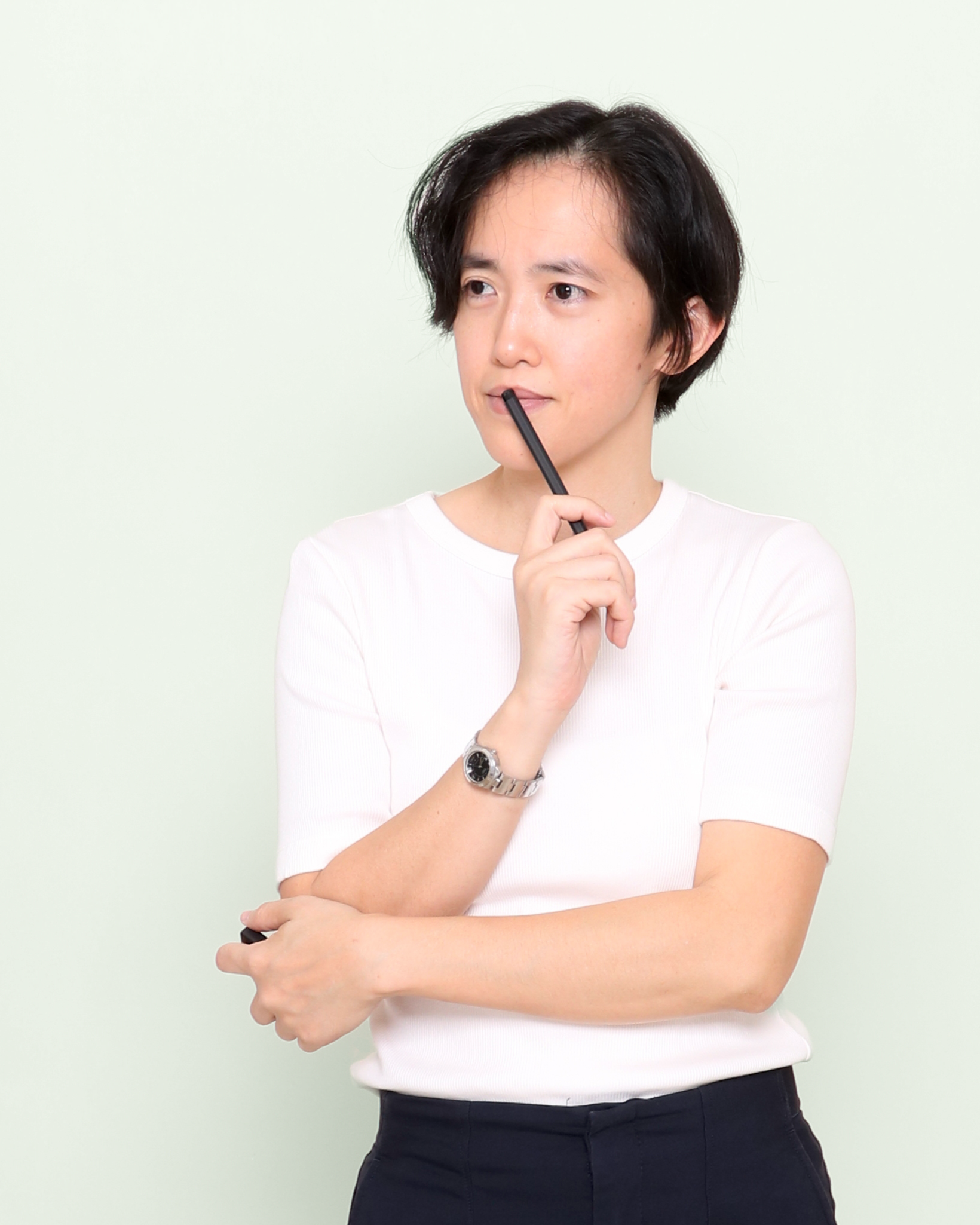
I got into video after I started filming wildlife — and realised I didn't quite know what it means to tell a story.
In the 2010s, I started making bird videos while studying biology, working closely with scientists whose valuable findings rarely left their own field. The problem wasn't necessarily access. It was that translating in-depth, fact-rich work into source-respecting narratives people can follow requires a different kind of skill. A skill that takes time.
I love my bird videos…
… but I also saw a greater need to learn the craft of communicating specialised work of peers and colleagues to a wider audience. That need led me to the University of Otago in 2020, where I figured out and explored storytelling tools that could serve diverse technical topics. Not just animals and nature.
In 2025, I launched Twin Strix, built on that very craft.
And while my roots are in wildlife filmmaking and science, my passion has grown to include helping people who know their subject deeply break it down through video.